The report is the product
When a buyer in West Covina hires a chimney inspector, what they are really buying is a document. The visit lasts a short while; the report lives in the escrow file, gets forwarded to agents, and may be read by a lender or an insurer months later. So the useful way to compare companies is to compare the paper they hand over and how they get it to the people who need it.
This post lists what we think a buyer, a seller or an agent should check before hiring anyone for a sale inspection, Sanborn Chimney Services included.
Five things to pin down before anyone climbs a ladder
1. Which inspection level they will run. For a sale it should be a Level 2, with a camera through the full height of the flue. If the company offers only a look from the firebox and the roof, the most important part of the chimney goes unseen. Ask the level by name.
2. Whether findings and prices are kept apart. A report that mixes "this tile is cracked" with "we can reline it for this figure" is hard to use in a negotiation, because the other side will read it as a sales pitch. Ask whether the findings stand on their own and whether a repair scope comes as a separate page.
3. Who receives the report and in what form. The client decides. A good company asks for the list of recipients at booking and sends the same file to each, with photos attached, not a text message with a few snapshots.
4. How urgent items are marked. A buyer needs to know which lines stop a fire tonight, which are repairs for this year, and which are notes for later. If every item reads the same, the report forces a guess.
5. What happens if the camera cannot see. Heavy soot, a stuck damper or a bird nest can block the view. Ask what the company does then: stop and say so in writing, or write "flue not fully visible" and move on.
What our answers are
Since the questions apply to us too:
- We run a Level 2 for every sale unless the client asks otherwise, at $400 per flue.
- Findings sit in the report on their own. Repair prices come in a separate written scope, only if the client asks for one.
- The client names recipients when booking. Each gets the same report with photos.
- Every finding is sorted under one of three headings: stop using, repair, or note.
- If the camera is blocked, we say so on site. A sweep from $430 clears the way, and the report records what was and was not seen.
What the visit looks like from the house
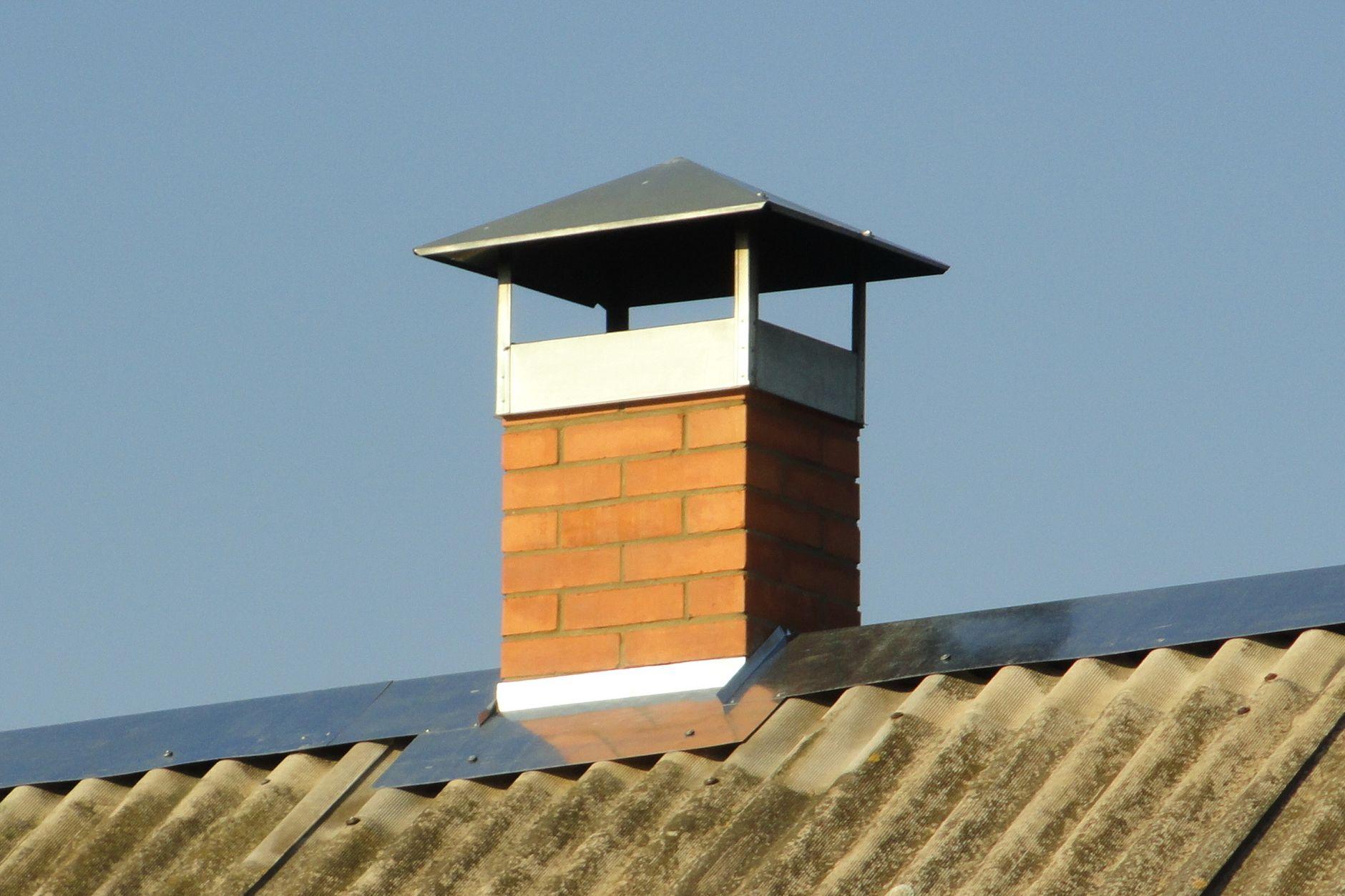
Drop cloths go down at the hearth first. Then the camera head rises from the firebox on a flexible rod. The footage plays on a screen at the hearth, so anyone present can watch. On the roof we look at the top of the chimney, the cap, the metal where the chimney meets the roof and the brick above it. In the attic we check the wood around the chimney for scorching or water.
No one has to be home. Most sales give access through the listing agent, and the buyer receives the same report whether they attended or not.
What decides the next step
The report decides it. If it comes back with nothing but notes, the chimney is off the negotiation list. If it lists repairs, the buyer chooses between asking for the work, asking for a credit, or accepting the house as it is. Each of those paths needs a figure, and the figure needs to come from someone who has seen the chimney.
That is where a written scope earns its keep. Use the form to book a sale inspection, note that you want a repair scope if the report finds anything, and list every person who should receive both.
Warning signs in a quote
Some patterns should make a buyer look elsewhere:
- A price for repairs before anyone has been on the roof
- A report promised "verbally" or by phone only
- Pressure to approve work during the inspection visit
- A finding of "needs full rebuild" with no photos showing why
None of these is proof of bad work, but each makes the report harder to rely on in a sale. A buyer who has to defend a repair request to a seller wants photos and plain wording behind every line.
Local factors that come up
Houses across the San Gabriel Valley were built in waves, and the chimneys show it. Postwar ranch homes in West Covina, Azusa and El Monte often have brick stacks with clay tile flues and steel dampers that have rusted at the frame. Later tracts may have factory built fireboxes with metal flues in a wood framed chase. A good inspector names which kind you have in the first line of the report, because the follow up work is different for each.
Summer heat and dry Santa Ana winds are hard on crowns and mortar at the top of the stack, and the first winter storm then finds every crack. That pattern means water findings are common on reports here, even on chimneys that look solid from the street.
Where to read more
Our Level 2 inspection page covers the visit itself. Agents handling a repair request can see how scopes are written on the page for real estate agents. For what the bill looks like, The Escrow Bill for a Level 2 has the figures.
If you are comparing companies for a house you are buying or selling, the contact page is where to send the address and contingency date. We answer with the visit we would run and what you would receive.
Need This in Writing for Your Escrow?
Sanborn Chimney Services inspects and documents chimneys from West Covina for buyers, sellers and agents. Each finding comes with a photo and a plain note, repairs are priced on paper, and the report goes to every name on the booking.