From finding to signed line
A chimney report tells a buyer what is wrong. It does not tell the seller what fixing it will cost or how long the work takes to finish. That is the job of a repair scope, and in a West Covina sale it is often the document that decides whether the chimney becomes a repair, a credit or a walk away.
This post explains how Sanborn Chimney Services writes a scope during escrow, who receives it, and what the published prices are for the repairs that come up most.
What a scope contains
Every line on our scope has four parts:
- The finding, copied in plain words from the inspection report
- The work, named as a task: recast the crown, fit a cap, repoint above the roof
- The price, either a published range or a figure written for that chimney
- The timing note, which says whether the item fits inside escrow or is better done after close
A short scope might have two lines. A long one might have eight. Each line stands on its own, so the buyer and seller can agree to some and credit others without the whole document falling apart.
Who orders it and who signs
Either side can order a scope. In practice:
- Buyers order one to put a figure behind their repair request
- Sellers order one to answer the request, or to get ahead of it before listing
- Agents usually pass the request along and receive copies
The person paying for the repair signs it, which is the seller in most escrow repairs. The buyer's side receives the completion note when the work is done, with photos of each line, so they can confirm the job matches what was agreed.
Published prices for the common lines
These are the repair prices we publish. Everything not listed is priced on the scope after a roof visit.
- Building a cricket on the high side of the chimney: $460 to $1,035
- A cricket plus new metal along every edge where the chimney meets the roof: $690 to $1,700
- Finding where water gets in and stopping it: $575 to $3,450
- A gas insert with its own vent, for owners who give up wood: $2,850 to $5,750
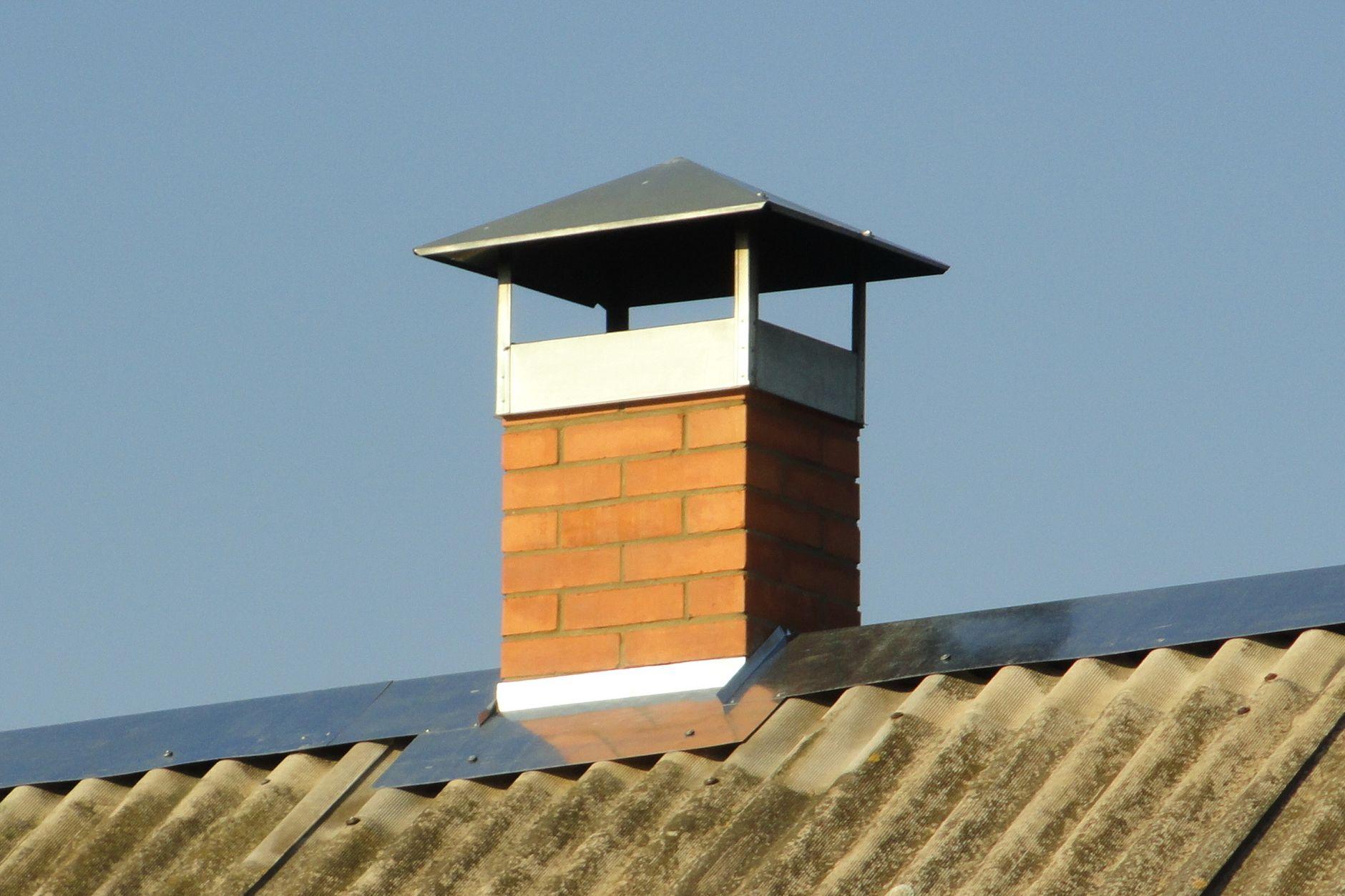
A cap with a spark screen over the flue is not on that list. It is quoted after we measure.
Crown recasting, liners, damper replacement and masonry rebuilds do not have a published range. They vary too much from one chimney to the next, so the scope carries a figure written for that house.
What decides the price on a line
For the items with a range, three things move the figure: how big the part is, how hard the roof is to work on, and what has to come off before the new part goes on. A cap over a single round flue on a low pitch roof is quick work. A cover over a wide stack with three flues on a steep tile roof takes more metal and more care.
For the written items, we name what we expect to find and what would change the price. If a crown turns out to sit on loose brick once it is off, the scope says in advance that the brick would be repointed or relaid, and at what cost.
When you want a figure behind a finding, ask for a written scope through the form. Paste the finding from the report in its own words and list who should get the scope.
Fitting the work inside escrow
Some items finish quickly and some do not:
- Fits easily: caps, crickets, flashing, leak repairs at the roofline
- Needs planning: crown recasting, because the new crown has to cure before the cap goes back on
- Often better after close: liners on a tall chimney, rebuilds above the roof, anything that needs dry weather in winter
The scope marks each line, so nobody promises a finish date that the mortar or the rain will not allow. When a line falls outside escrow, the buyer and seller often settle it with a credit and the buyer books the work later.
What the completion note looks like
When the work is done we send a completion note to the client and every name on the list. It gives the address, each line from the scope, what was done, and before and after photos. Escrow officers and lenders tend to ask for this page, so it is written to stand alone.
If the sale needs proof that the flue is now sound, a camera recheck at the Level 2 price of $400 produces a fresh report showing the repaired chimney.
A sample from a recent file
A 1950s single story house in West Covina, brick chimney, one flue. The buyer's Level 2 found a cracked crown, no cap, and staining in the attic on the uphill side. Our scope read:
- Crown: remove and recast with an overhang. Written figure.
- Cap: stainless with spark screen. Quoted after we measure.
- Uphill leak: new flashing and a cricket. From the published cricket and flashing range.
The seller agreed to the cap and the cricket inside escrow and credited the crown. The buyer booked the crown after they moved in.
Further reading
Agents can see how we handle repairs during a sale on the real estate agents page. Owners holding a report that did not pass can start with repairs after a failed Level 2. For the crown itself, see Cracked Crown on a Sale Report, and for general repair work our chimney repair page.
If your file has a chimney line waiting on a price, send the address and the finding through the contact page; we reply with the roof visit and the people we will copy.
Need This in Writing for Your Escrow?
Sanborn Chimney Services inspects and documents chimneys from West Covina for buyers, sellers and agents. Each finding comes with a photo and a plain note, repairs are priced on paper, and the report goes to every name on the booking.