Why a stain matters more in a sale
A brown mark on the ceiling next to the fireplace is a nuisance for an owner. In escrow it is a question mark that a buyer's agent will not let go of. Is the leak active? Is there rot behind the drywall? Has it been going on for years? The general inspector usually cannot answer, so the report says "recommend further evaluation" and the clock keeps running.
Sanborn Chimney Services traces chimney leaks for West Covina buyers and sellers in the middle of a sale. This post explains how the source is found, what the repair costs, and what goes into the file afterwards.
Where chimney water comes from
A chimney has more entry points than a flat stretch of roof. The common ones:
- Flashing at the joint between the stack and the roof, lifted or rusted through
- The high side of a wide chimney, where runoff piles up and has nowhere to go
- The crown, cracked open by years of summer heat and winter rain
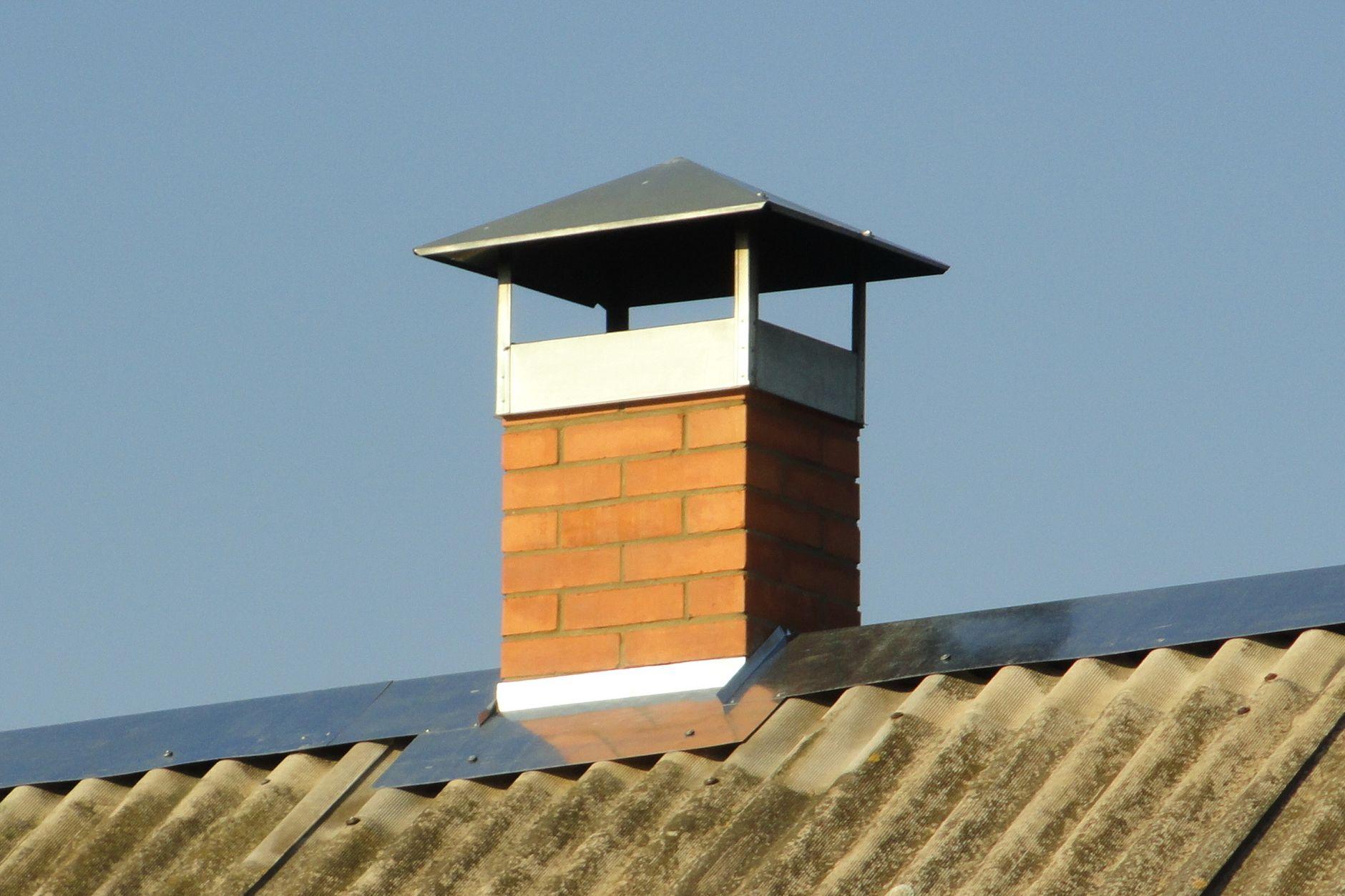
- The open flue, with no cap to stop rain falling straight in
- The brick and mortar, soaking up water through open joints and porous faces
Often more than one is at work. A leak that seems to stop after new flashing and then returns is usually a second source nobody looked for.
How we find the source
Tracing starts inside. We look at where the stain sits, whether it is fresh, and what the attic framing around the chimney looks like. Dark, soft wood near the stack tells us the leak is old; a clean mark tells us it may be recent.
Then the roof. We look at each possible entry point and, where needed, wet one section at a time while watching from the attic. The section that makes the attic damp is the source. On a sale this matters, because the scope can then name the cause with confidence instead of offering a list of guesses.
What the repair costs
Our published range for tracing and stopping a chimney leak is $575 to $3,450. Where a leak falls in that range depends on the cause:
- A single loose or rusted flashing run sits near the bottom
- A wide chimney with no cricket behind it is priced from the cricket range of $460 to $1,035, or $690 to $1,700 when the roof metal around the stack is renewed at the same time
- Several sources at once, or a crown that needs recasting, push the job toward the top or onto a written figure
A missing cap, added to the job, is quoted after we measure.
We write all of this into a scope before any work starts, with each source on its own line.
The next step in a sale
The fastest way to settle a leak finding is to put a cause and a price in front of both sides. Ask for a leak trace through the form, tell us where inside the house the water shows, and name who should get our findings and scope.
What happens to the stain inside
Our work stops at the chimney and the roof around it. Drywall, paint and any framing damage inside the house belong to a general contractor. In the scope we note what we saw in the attic so the buyer knows whether that second trade is needed.
If the attic framing near the chimney is dark or soft, we photograph it and say so. That line helps both sides decide whether the leak is a small repair or a bigger conversation.
Fitting it into escrow
Most leak repairs at the roofline finish well inside an escrow period, weather allowing. Flashing, caps and crickets need dry roofing to set properly, so a wet spell can push the work back. The scope says which items are weather sensitive.
When the work is done, both sides receive a completion note with photos of the repaired areas. If the buyer wants proof the whole chimney is sound, a camera recheck at $400 produces a fresh Level 2 report.
Why West Covina chimneys leak
The pattern here is heat, then rain. Summer sun and Santa Ana winds dry out mortar and sealants at the top of the stack. The first winter storm then pushes water through every gap at once. Many chimneys in the area were built with thin crowns and step flashing that has never been replaced, so a house can go years dry and then leak the season it goes on the market.
After a strong quake, a chimney can also shift just enough at the roofline to open the flashing joint. The stain may not appear until the next heavy rain.
What the seller should disclose
A seller who knew about a leak is expected to say so, even if it was patched. If the stain was painted over, the buyer's inspector may still find it with a moisture meter or spot old marks in the attic. A short written history, with any receipts and our completion note if we did the work, keeps the conversation factual and saves both sides from guessing at what happened before the listing.
Related pages
The chimney leak repair page covers the service in more detail, and flashing repair and waterproofing cover the follow up work. For how a leak repair fits into a wider repair agreement, read Repair Scopes Inside Escrow.
A stain near the chimney in a house you are buying or selling is worth a roof visit before the contingency closes. Send the address and where the water appears through our contact page, and we set a time to trace it.
Need This in Writing for Your Escrow?
Sanborn Chimney Services inspects and documents chimneys from West Covina for buyers, sellers and agents. Each finding comes with a photo and a plain note, repairs are priced on paper, and the report goes to every name on the booking.