A small slab with a large role
Up on the roof, the concrete or mortar cap that seals the top of a brick chimney is easy to ignore. On a West Covina sale report it is one of the most common lines we see: "crown cracked, recommend repair." This post explains what that line means, the two ways it gets fixed, and how it usually plays out between buyer and seller.
What the crown is for
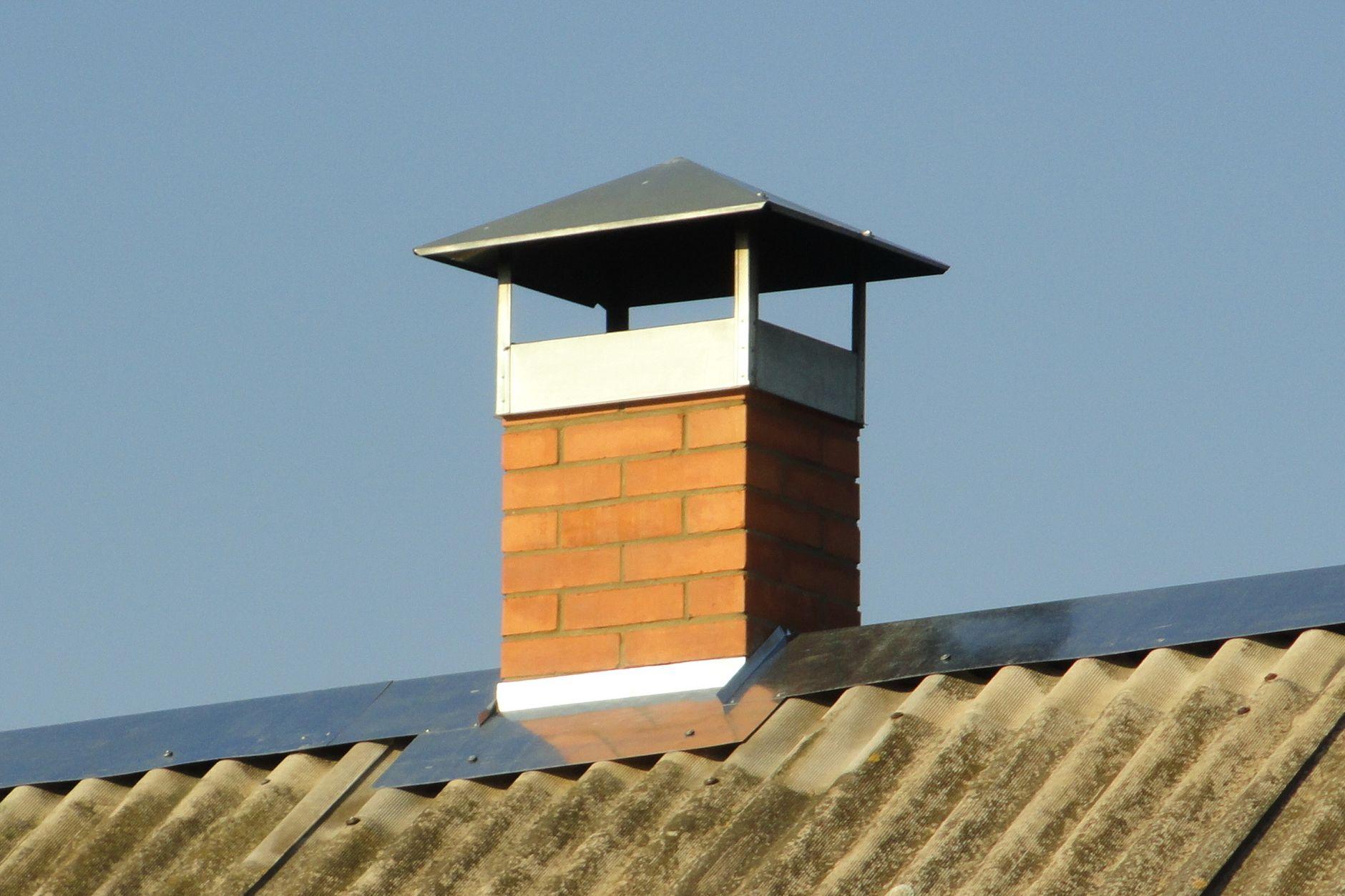
The crown sits across the top of the brick, around the flue tile that pokes through. It is meant to slope outward so rain runs off, and to overhang the brick so the water drops clear instead of soaking down the face. When it works, the brick below stays dry. When it cracks, every rain sends water into the top courses of brick and down along the flue.
Many crowns on older houses in the San Gabriel Valley were never built to that standard. They are a thin layer of sand and cement trowelled flat, with no overhang and no gap around the tile. Those crack early, and the summer heat here followed by winter rain widens the cracks every year.
Two repairs, one decision
Sealing. If the crown is sound and the cracks are fine, a flexible crown coating can fill them and cover the surface. It is the lighter option, and it suits a crown that is shaped correctly but has started to check.
Recasting. If the crown is broken through, crumbling, flat, or missing its overhang, coating will not last. We break the failed slab away, build timber forms at the top of the brick, and cast fresh concrete with a fall toward the edges, a lip that hangs past the brick and a soft joint where it meets the flue tile.
Which one fits is a judgement made on the roof. On a sale report the line often just says "repair", which leaves both sides guessing at the cost. That is why a scope matters here.
Pricing a crown
Sanborn Chimney Services does not publish a crown price. The work varies too much: a single flue ranch chimney with a small slab is a different job from a two story stack with three flues and loose brick under the crown. We price it after we have seen it and put the figure in a written scope.
The scope names what we expect to do, what could change once the old crown is off, and the cost of each possibility. If the top brick courses are loose, that line is priced in advance so it does not become a surprise mid job.
Crown work often travels with a cap. Every cap is quoted on site, and size and the number of flues set the price. A crown recast is the natural time to fit one, since the top of the chimney is already open.
Getting a figure in front of both sides
The buyer needs a number to put in a repair request; the seller needs one to decide between fixing and crediting. Request a crown scope with the form, quote the line from the inspection report, and list everyone who should receive our figures.
How crown repairs settle in escrow
We see three outcomes, roughly in this order of frequency:
- Credit. The seller credits the scope figure and the buyer books the work after closing. This is common when the weather is wet or escrow is short, because a recast crown has to cure.
- Seller repairs. The seller has us do the work before close. The buyer receives the completion note with before and after photos.
- Seal now, recast later. If the crown is borderline, sealing buys time and stops water, and the buyer plans the recast for a dry season.
Our scope marks which of these fits the chimney, so the agents can present the choices without guessing at what is realistic.
What else a crown finding can point to
A cracked crown is often the first sign of a chimney that has been taking in water for a while. On the camera, look for staining down the flue tiles. In the attic, look for dark wood near the stack. On the brick face, look for white powder or spalled faces near the top. Any of these widens the scope from a crown job into a masonry repair or a leak repair.
Older stacks that have taken a strong quake may also show cracks running through the crown and down into the brick. That is a structural line rather than a weather one, and it belongs on the scope as its own item.
Who receives what after a crown job
The documents follow the same path as the rest of the sale:
- The scope goes to the client and every name they list, usually both agents
- The signed approval comes back from whoever pays, most often the seller
- The completion note, with photos of the old slab, the forms and the finished crown, goes to the same list
- A camera recheck, if the buyer asks for one, produces a fresh report at the Level 2 price of $400
Escrow officers rarely need more than the completion note, but having the earlier pages on file answers questions before anyone asks them.
Related reading
The crown repair service page has more on the work itself, and the up to code repairs page lists the other common findings after a failed Level 2. For how the scope is put together, see Repair Scopes Inside Escrow.
When a crown line is holding up a deal, our contact page is the place to send the address and the report wording; we answer with the roof visit and who will receive the scope.
Need This in Writing for Your Escrow?
Sanborn Chimney Services inspects and documents chimneys from West Covina for buyers, sellers and agents. Each finding comes with a photo and a plain note, repairs are priced on paper, and the report goes to every name on the booking.